
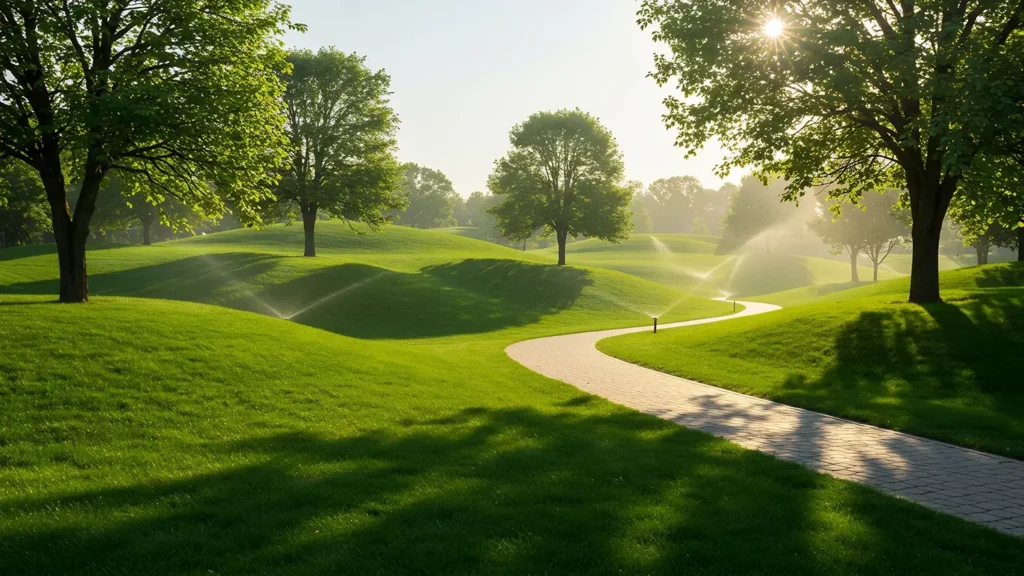
Its majestic mountains, clear skies, and diverse ecosystems define Colorado’s stunning natural beauty. However, it’s also a semi-arid state, where water conservation is not just a good idea, but a necessity. For anyone embarking on a new landscaping project, or revamping an existing one, the concept of landscape design irrigation is paramount. It’s about more than just keeping plants alive; it’s about creating sustainable, thriving outdoor spaces that are both beautiful and water-wise.
The Colorado Challenge: Water Scarcity and Landscape Aesthetics
Colorado’s climate presents unique challenges for landscape designers. Hot, dry summers, fluctuating spring temperatures, and strong winds can quickly dry out even the most resilient plants. While many homeowners are drawn to lush, green lawns and vibrant flower beds, achieving this sustainably requires a strategic approach to water management. The good news is that with thoughtful planning and the right irrigation systems, you don’t have to sacrifice aesthetics for efficiency. Integrating irrigation from the initial design phase is key to maximizing water conservation and ensuring the long-term health and beauty of your landscape.
Beyond the Sprinkler: Understanding Modern Irrigation Solutions
When many people think of irrigation, they envision traditional pop-up sprinklers watering a lawn. While these still have their place, modern landscape design irrigation encompasses a far broader range of sophisticated and efficient technologies.
Drip Irrigation: Precision Watering for Plants
Drip irrigation is a game-changer for conserving water, especially in Colorado’s arid climate. This system delivers water directly to the root zone of plants, minimizing evaporation and runoff. It’s ideal for garden beds, shrubs, trees, and even vegetable gardens. By providing a slow, consistent drip, it ensures plants receive the exact amount of water they need, promoting deeper root growth and healthier plants. This precision also helps to reduce weed growth, as water is not broadcast over areas where it’s not needed.
Smart Controllers: The Brains of Your Irrigation System
Gone are the days of setting a timer and hoping for the best. Smart irrigation controllers are the intelligence behind a truly efficient system. These controllers use local weather data, soil moisture sensors, and even plant-specific information to automatically adjust watering schedules. If it rained overnight, your system won’t water. If there’s a heatwave predicted, it might slightly increase watering duration. This dynamic adjustment can lead to significant water savings – often 30% or more – and takes the guesswork out of irrigation management. Many smart controllers can even be managed remotely via smartphone apps, giving you complete control from anywhere.
Micro-Sprays and Bubblers: Targeted Watering for Specific Zones
For areas that might not be suitable for drip irrigation but still require precise watering, micro-sprays and bubblers offer excellent solutions. Micro-sprays deliver a fine mist or spray over a small, targeted area, perfect for groundcovers or closely spaced plants. Bubblers deliver water at a higher flow rate, ideal for larger shrubs or trees that need more significant hydration at their base. These systems allow for the creation of distinct irrigation zones, ensuring that different plant types with varying water needs receive appropriate amounts.
Integrating Irrigation into Your Landscape Design Process
The most effective irrigation systems are not afterthoughts; they are integral components of the initial landscape design.
Step 1: Site Analysis and Assessment
Before any design begins, a thorough site analysis is crucial. This involves understanding your property’s soil type (sandy soils drain quickly, clay soils retain water), sun exposure, wind patterns, and existing drainage. These factors will directly influence the type of irrigation system best suited for different areas of your landscape. For instance, a sloped area might benefit from drip irrigation to prevent runoff, while a sunny, exposed lawn might require a more robust sprinkler system with efficient nozzles.
Step 2: Plant Selection and Hydrozoning
One of the most impactful strategies for water conservation is plant selection. Choosing native and drought-tolerant plants (xeriscaping) significantly reduces the need for supplemental irrigation. Once plants are selected, group them by their water needs – this is called hydrozoning. High-water-use plants (like some annual flowers) should be grouped together, and low-water-use plants (like many Colorado natives) should be in another zone. This allows your irrigation system to deliver water efficiently to each zone, preventing over- or under-watering.
Step 3: Designing the Irrigation Layout
With your site analysis and plant plan in hand, you can begin to design the actual irrigation layout. This involves mapping out where pipes, emitters, sprinklers, and controllers will be placed. Consider pressure requirements, head-to-head coverage for sprinklers, and the optimal placement of drip lines. It’s often beneficial to work with a professional landscape designer or irrigation specialist at this stage to ensure optimal efficiency and coverage. They can help with hydraulic calculations and ensure your system meets local codes and regulations.
Step 4: Installation and Calibration
Proper installation is critical for the long-term performance of your irrigation system. Ensure all components are installed correctly and that pipes are adequately buried. Once installed, the system must be carefully calibrated. This involves adjusting sprinkler heads, setting drip emitter flow rates, and programming your smart controller. Regular checks and adjustments are essential, especially as plants mature and weather patterns change.
The Benefits of a Well-Designed Irrigation System
Investing in a thoughtfully designed irrigation system offers a multitude of benefits for Colorado homeowners:
- Water Conservation: The most obvious benefit. By delivering water efficiently and precisely, you significantly reduce water waste, contributing to regional conservation efforts and lowering your water bill.
- Healthier Plants: Consistent, appropriate watering promotes stronger root systems and more resilient plants, making them less susceptible to disease and pests.
- Time Savings: Automated systems free up your time from manual watering, allowing you to enjoy your outdoor space rather than work on it.
- Increased Property Value: A well-maintained, water-wise landscape enhances curb appeal and can increase the value of your home.
- Environmental Stewardship: By minimizing water use and runoff, you reduce your environmental footprint and support a more sustainable ecosystem.
Beyond Installation: Ongoing Maintenance and Optimization
An irrigation system isn’t a “set it and forget it” solution. Regular maintenance is crucial to ensure its continued efficiency and longevity.
- Seasonal Adjustments: As seasons change, so do your plants’ water needs. Adjust your smart controller settings accordingly, or let it handle the adjustments if it’s fully integrated with weather data.
- System Checks: Periodically walk through your landscape while the system is running. Look for leaks, broken sprinkler heads, clogged drip emitters, or areas of over- or under-watering.
- Winterization: In Colorado, proper winterization is essential to prevent pipes from freezing and bursting. This involves shutting off the water supply and blowing out the lines with compressed air.
- Professional Audits: Consider having a professional irrigation audit every few years. They can identify inefficiencies, suggest upgrades, and optimize your system for peak performance.
Embracing a Water-Wise Future
Colorado’s unique environment demands a proactive approach to landscape design and water management. By integrating advanced landscape design irrigation techniques from the outset, homeowners can create stunning, sustainable outdoor spaces that thrive even in a semi-arid climate. It’s an investment that pays dividends in water savings, plant health, and the sheer enjoyment of a beautiful, responsible landscape. Embrace the future of water-wise landscaping – your garden, your wallet, and our environment will thank you.
For more information on water conservation and sustainable landscaping practices in Colorado, visit the Colorado WaterWise Council website.
Ready to transform your landscape with an efficient, beautiful, and water-wise design? Contact Colorado Outdoor Environments today for a consultation and let us help you create the sustainable outdoor oasis of your dreams!