
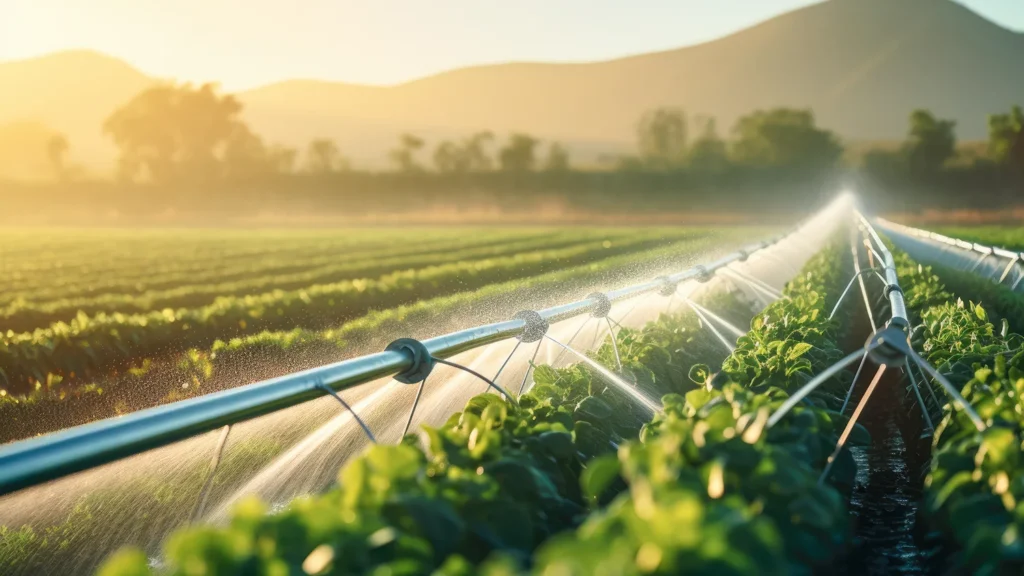
Colorado’s stunning landscapes offer a unique challenge and reward for its agricultural community. From the arid plains to the mountain valleys, farmers here are masters of resilience, coaxing life and sustenance from diverse terrains. A cornerstone of this success, and often the difference between a bountiful harvest and a struggling one, is the agricultural irrigation system. In a state known for its variable precipitation and precious water resources, understanding and optimizing these systems isn’t just good practice—it’s essential for sustainable and profitable farming.
The Lifeblood of Colorado Agriculture: Why Irrigation Matters
Colorado’s climate presents a delicate balance. While some areas receive sufficient rainfall, many agricultural regions experience long dry spells, particularly during critical growing seasons. Without reliable irrigation, crops would struggle to thrive, leading to reduced yields, lower quality produce, and significant economic losses for farmers. Moreover, efficient irrigation plays a crucial role in managing soil health, preventing erosion, and making the most of every drop of water in a state where water rights and conservation are paramount. As we look towards a future with changing climate patterns, the importance of robust and adaptable agricultural irrigation systems will only continue to grow.
Understanding Your Water Source and Rights
Before even considering the type of irrigation system, a Colorado farmer must have a deep understanding of their water source and associated water rights. This is a complex but vital aspect of agriculture in the state.
- Surface Water: Many farms rely on rivers, streams, and reservoirs, often managed through irrigation districts or mutual ditch companies. Understanding your priority date and allocation is critical.
- Groundwater: Wells tap into underground aquifers. Regulations regarding well permits, pumping rates, and impact on neighboring wells are strictly enforced.
- Reclaimed Water: In some areas, treated wastewater is becoming an increasingly viable option, though its use often comes with specific regulations and quality considerations.
Navigating Colorado’s water law requires careful attention. Consulting with a water attorney or the Colorado Division of Water Resources is often a necessary first step to ensure compliance and secure your farming future.
Choosing the Right Agricultural Irrigation System: A Deep Dive
The diverse needs of Colorado farms mean there’s no one-size-fits-all irrigation solution. Selecting the appropriate system depends on factors such as crop type, soil composition, topography, water availability, and budget.
1. Flood (Surface) Irrigation
- Description: This traditional method involves directing water across the land surface, allowing it to flow over the field and infiltrate the soil.
- Pros: Relatively inexpensive to install, simple to operate.
- Cons: Can be highly inefficient due to significant water loss through runoff and evaporation. Less uniform water distribution.
- Best Suited For: Fields with uniform slopes, less valuable crops, or where water is abundant and inexpensive (though increasingly rare in Colorado).
2. Sprinkler Irrigation
- Description: Water is pumped through a system of pipes and delivered to the crops through sprinklers that spray water into the air, mimicking rainfall.
- Types:
- Center Pivot: Large, self-propelled systems that rotate around a central pivot point, ideal for large, flat, circular fields.
- Lateral Move: Similar to center pivots but move in a straight line, suitable for rectangular fields.
- Solid Set: Sprinklers are permanently installed throughout the field.
- Portable/Hand Move: Sprinklers and pipes are manually moved from section to section.
- Pros: Better water distribution than flood irrigation, adaptable to various topographies.
- Cons: Can be affected by wind drift and evaporation. Higher initial investment than flood.
- Best Suited For: A wide range of crops and field sizes, especially those requiring consistent moisture.
3. Drip (Micro-Irrigation) Systems
- Description: Water is delivered slowly and directly to the plant root zone through emitters located along a network of tubing.
- Pros: Highly efficient, minimizing water waste from evaporation and runoff. Reduces weed growth by only watering desired plants. Can apply fertilizer directly (fertigation).
- Cons: Higher initial cost, requires clean water to prevent emitter clogging, can be damaged by rodents or machinery.
- Best Suited For: High-value crops, orchards, vineyards, row crops, and areas with limited water availability. Increasingly popular in Colorado for its water-saving benefits.
Optimizing Your Agricultural Irrigation System for Colorado Conditions
Once a system is in place, ongoing management and optimization are key to maximizing efficiency and minimizing water use.
- Soil Testing: Understanding your soil type (sand, loam, clay) dictates how quickly water infiltrates and how much moisture it can hold. This directly impacts irrigation scheduling.
- Crop Needs: Different crops have varying water requirements at different growth stages. Tailoring irrigation to these specific needs prevents over or under-watering.
- Weather Monitoring: Utilize local weather forecasts and on-site sensors to adjust irrigation schedules. Don’t water unnecessarily after rainfall.
- System Maintenance: Regularly inspect your system for leaks, clogged emitters, broken sprinklers, and pressure issues. Even small inefficiencies can lead to significant water loss over time.
- Technology Integration: Modern irrigation systems can incorporate smart controllers, soil moisture sensors, and even satellite imagery to provide real-time data and automate adjustments, leading to highly precise water application.
- Water Audits: Periodically assess your system’s efficiency. Resources like the Colorado State University Extension offer valuable guidance and tools for evaluating irrigation performance. You can find more information on their irrigation resources page: Colorado State University Extension – Irrigation.
The Future of Irrigation in Colorado
The agricultural landscape in Colorado is constantly evolving, as are its irrigation practices. Innovations in water-saving technologies, drought-resistant crop varieties, and precision agriculture will play an even more significant role. For Colorado farmers, investing in and meticulously managing an efficient agricultural irrigation system isn’t just about this season’s yield; it’s about securing the long-term viability and sustainability of their land, their livelihoods, and Colorado’s vital agricultural heritage.
Cultivate Success: Optimize Your Irrigation Today!
Ready to maximize your yield while minimizing water waste? Don’t wait until drought stress impacts your crops. Get expert guidance on upgrading your system, conducting a comprehensive water audit, or designing a new, efficient irrigation plan tailored to your Colorado environment.
Contact Colorado Outdoor Environments today to schedule your consultation and ensure your harvest is nourished for a thriving future.