
Watering an estate in the Rocky Mountains takes more than setting a timer. Having a shaded garden near the house may hold moisture long after a sunny hillside has dried out.
When both receive the same watering schedule, some plants get too much water while others struggle.
A specialized drip irrigation company in Colorado plans for these differences so each area gets the water it needs. With a system designed for your property, you can use water more carefully and give your plants the moisture they need.
Mountain Terrain Changes How Irrigation Works
Compared with a smaller residential yard, estates may have greater elevation changes and planting areas spread much farther apart. On large mountain properties, water may travel uphill or a considerable distance before reaching a planting bed. Both can reduce the pressure available to deliver water.
You might notice that plants near the water source look healthy while those farther away stay dry. Running the whole system longer can overwater the healthy areas without fixing the pressure problem.
Good irrigation design accounts for pressure changes before installation begins. That’s why you need a specialized drip irrigation company to account for the estate’s elevation changes and longer water lines so each planting area gets the water it needs.
This is where using a specialized drip irrigation company makes a difference. Rather than extending a standard residential system across the estate, a specialist plans for the terrain so plants farther away or uphill still receive the water they need.
Put Water Where Your Plants Need It
Wind can blow sprinkler spray away from garden beds and onto nearby paths. On an exposed property, that makes it harder to water plants evenly. Dry mountain air can also cause soil to lose moisture more quickly, especially in exposed planting areas.
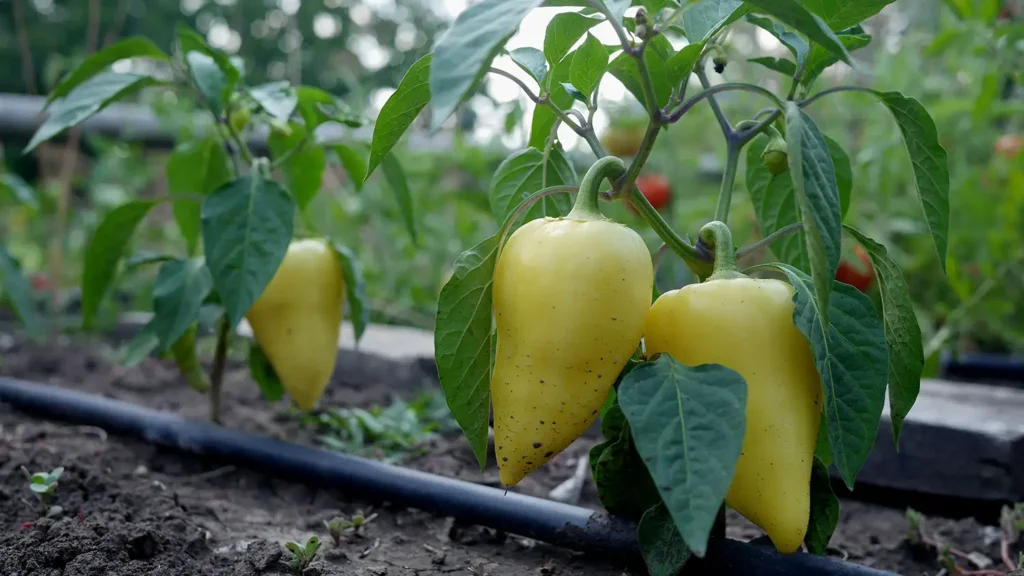
Drip irrigation delivers water near the soil surface, close to the roots. It works well in planting beds where sprinkler spray is difficult to contain.
For Aspen estates, drip irrigation works best when water reaches the roots of each plant. A large shrub needs water to reach enough of the soil around its roots. The irrigation layout should account for the plant’s size and how water spreads through the soil.
It’s also important to consider the watering schedule. Even a well-designed drip system can waste water if it runs longer than necessary.
Work With the Slope
If water runs downhill before soaking in, the plants at the top of a bed may stay dry while those below receive too much.
Drip irrigation releases water slowly so it has more time to enter the soil. Where runoff remains a problem, shorter watering cycles with a pause between them can help.
But irrigation cannot solve every drainage issue. A bed that stays wet after watering may need a closer look at the soil or the way the area drains. Before adjusting the schedule again, make sure you have the soil and drainage checked.
Give Different Areas Different Watering Schedules
Mountain estates rarely need the same amount of water throughout. Flowers growing in full sun may dry out sooner than shrubs beside the house. Terrace containers can need more frequent attention than nearby garden beds.
Separate zones let you water each area according to its needs. You can adjust a sunny border without adding unnecessary water to a shaded garden.
New plantings also need attention while their roots establish. Their schedule may need to change as they grow.
For estates in Aspen, you may need both drip irrigation and sprinklers. Garden beds may also benefit from drip while the lawn uses sprinklers on its own zones. We design around what each part of the landscape needs.
Protect Your Established Landscaping
Mature trees and established shrubs give your estate privacy and character. They can take years to replace, so keeping them properly watered helps protect the landscaping you have invested in.
As plants grow and their roots spread, the irrigation may need adjusting to reach a wider area. The goal is to give the roots enough water without leaving the soil constantly wet.
If a plant looks unhealthy, check the soil before watering more. A blockage in the irrigation line may be preventing water from reaching it. If the soil is already wet, poor drainage or too much watering could be the problem.
Keep an Eye on the System
Drip irrigation needs regular checks because its problems are not always easy to see.
A controller can show that a zone has run even when a blockage has kept water from reaching the plants. Damaged lines can also leak beneath the mulch without anyone noticing.
This is why routine inspections help catch these issues before plants suffer or water is wasted. Schedules should also change with the weather rather than stay fixed throughout the growing season.
Colorado Outdoor Environments’ smart irrigation technology helps us monitor soil moisture and system performance. Remote access makes it easier to oversee watering when you are away from the property. Alerts can flag unusual water flow so someone can investigate.
That information helps guide maintenance, but checking the landscape remains part of the job. Winterization and spring startup also help keep the system ready for the next season.
Choose a Drip Irrigation Company That Knows Your Property
When choosing an irrigation company in Aspen, ask how the design will handle your property’s elevation changes. Ask why certain planting areas need separate zones and who will manage the system after installation.
You should understand how the proposed system will improve watering and what it will take to keep it working.
At Colorado Outdoor Environments, we have spent more than 30 years helping clients manage water more effectively. Our estate irrigation design begins with a close look at your property and what you want for its landscape.
If you are planning new gardens or dealing with uneven watering, we can help you decide where to start. Schedule a consultation with Colorado Outdoor Environments to discuss your estate’s irrigation needs.